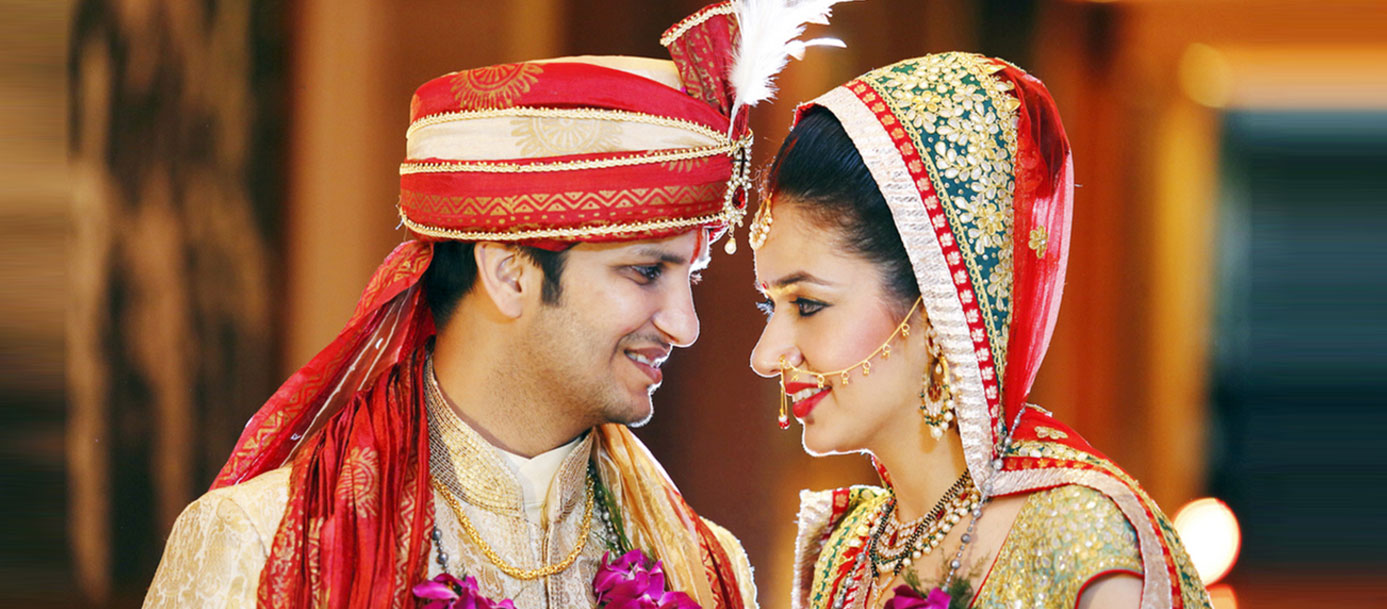
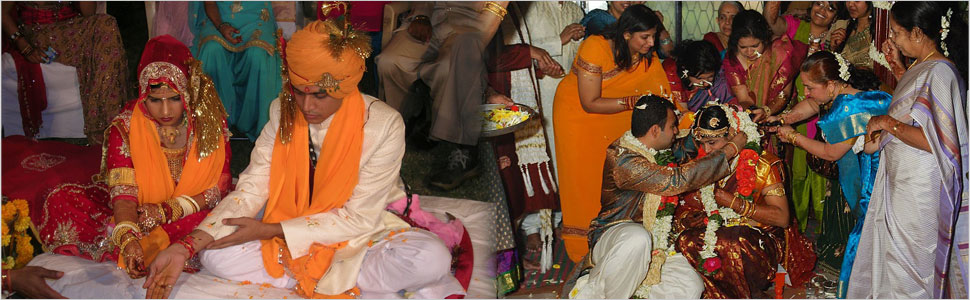
Inter Caste marriages prevailed in India as a result of a very rigid caste system. Upper caste people would not have any marriage alliance with lower caste people. Even if there are eligible bachelors available it was seen as a sin to think of mixing alliances from one caste to another. In fact, though now in cities we do not a very rigid caste system prevailing, it is still seen as a taboo to have married among different castes. Practically looking at it, the bride and the groom end of facing some adjustment problems once they start living together, basic things like language, daily routine habits might create a rift among the couple and ultimately the families. Most of these marriages remain as love marriages even today, where the bride and the groom would decide to get married and get into an adjustment for life. Hence, these marriages are more common in cities rather than villages in India.
Caste systems and racial discriminations act as a bane for progressive India. For years, the different societies of India, especially Hindu society have been divided on the basis of caste system and religion. The problem of caste system was so deep rooted that it took years for the Indians to come out of that idea. Even today also India is struggling to come out of this social menace. History reveals that efforts have been made by various social reformers and individuals to make India free from the clutches of caste system, untouchability and race discrimination.
People have realized that a successful marriage is not dependent on factors such as same caste and religion. It is on the other hand, built on the aspects of mutual understanding and compatibility. It is how well the two understand each other’s need and feel for your partner. It is not necessary that you have to belong to the same community or caste to understand your spouse better. Today, there are ample of examples when two people from totally different background and lifestyle come together and spend their entire life happy with each other, thanks to education.
Education has broadened the periphery of thinking and helped people develop analytical powers. It has not only altered their perception about life, but also about social concerns such as marriage and relationship. Inter caste and inter religion marriages serves as a beacon light for social equality. In order to break the perils of caste-system, it has becomes incumbent that there should be inter-caste marriages. Marriage is mostly dependent on true love and feeling and once this is achieved, caste and religion all becomes secondary issues.
FAQs
1. Is intercaste or interreligion marriage legally recognized in India?
Yes. Intercaste and interreligion marriages are legally recognized under the Special Marriage Act (SMA), which allows couples from different castes or religions to marry through a civil registration process.
2. How can couples prepare their families for an intercaste or interreligion marriage?
Open communication, patience, and involving trusted relatives or mediators can help. Sharing long-term plans about stability, values, and mutual respect often makes families more comfortable.
3. Are cultural differences difficult to manage in intercaste or interfaith marriages?
Differences exist, but with understanding, flexibility, and mutual respect, most couples successfully blend traditions. Many even enjoy creating a new, shared culture in their home.
4. Can couples practice their own religions after marriage?
Yes. Interfaith marriages do not require either partner to convert unless they choose to. Most modern couples continue to follow their respective beliefs while respecting each other’s practices.
5. How can couples deal with societal pressure or criticism?
Building a strong personal support system, setting boundaries, and focusing on mutual trust helps couples handle external opinions. Counseling or support groups can also be beneficial.
6. What are the benefits of intercaste or interreligion marriage?
Such marriages often bring cultural diversity, broader perspectives, stronger emotional maturity, and deeper understanding of traditions, beliefs, and shared values.
7. Do intercaste or interfaith couples face challenges after marriage?
Some do, especially related to family expectations or cultural differences. These challenges can be navigated successfully through consistent communication, empathy, and shared decision-making.
8. Are wedding rituals possible in intercaste or interreligion marriages?
Yes. Many couples choose combined, neutral, or simplified ceremonies, while others may hold two separate ceremonies—one from each tradition.
9. How can intercaste or interfaith couples plan cultural celebrations like festivals?
Couples often celebrate both traditions, alternate between families, or create a blended version of the celebrations. Planning in advance helps avoid conflicts.
10. Can intercaste or interreligion marriage affect children’s upbringing?
Children in such families often grow up with broader perspectives, respect for diversity, and stronger emotional adaptability. Parents can choose to raise them with shared values from both backgrounds.
